Smoke Alarm Compliance QLD: What to Know When Buying or Selling Property
TL;DR
If you're interested in property, meeting smoke alarm compliance QLD requirements before settlement is essential. Queensland legislation applies to houses, townhouses, and units, and outlines strict rules for alarm type, placement, and interconnection to improve fire safety. Sellers must ensure the property is compliant and disclose its status, while buyers should confirm compliance during due diligence to avoid unexpected upgrade costs. Issues like outdated alarms, missing bedroom coverage, or non-interconnected systems can delay settlement, which is why arranging a professional inspection early helps ensure the property meets smoke alarm compliance Queensland standards and the transaction proceeds smoothly.
Queensland's smoke alarm compliance
If you're buying or selling property in Queensland, smoke alarm compliance QLD laws require homes to meet strict safety standards before settlement. Ensuring your property meets Queensland's smoke alarm laws is crucial as non-compliance can lead to delays, financial penalties, or even jeopardise the sale.
These requirements apply to all forms of housing –– including houses, townhouses, and units –– and are designed to improve early fire detection and extended evacuation times for occupant safety. Whether you're preparing to sell, purchasing a property, or assisting a client, understanding smoke alarm compliance Queensland requirements helps avoid last-minute issues and unexpected upgrade costs.
Completing a professional smoke alarm installation and compliance check before listing or settlement is one of the most reliable ways to confirm your property meets current legislation and this guide outlines what you need to know to stay compliant.
What are the current smoke alarm requirements in Queensland?
As of January 1, 2022, all properties sold in Queensland must meet updated QLD smoke alarm compliance standards. To confidently comply with QLD smoke alarm legislation, pre-existing smoke alarms must be:
- Photoelectric smoke alarms and comply with Australian Standard 3786-2014.
- Interconnected smoke alarms, so when one alarm activates, all alarms sound.
- Smoke alarms are less than 10 years old.
- Operate when tested.
- Does not contain an ionisation sensor
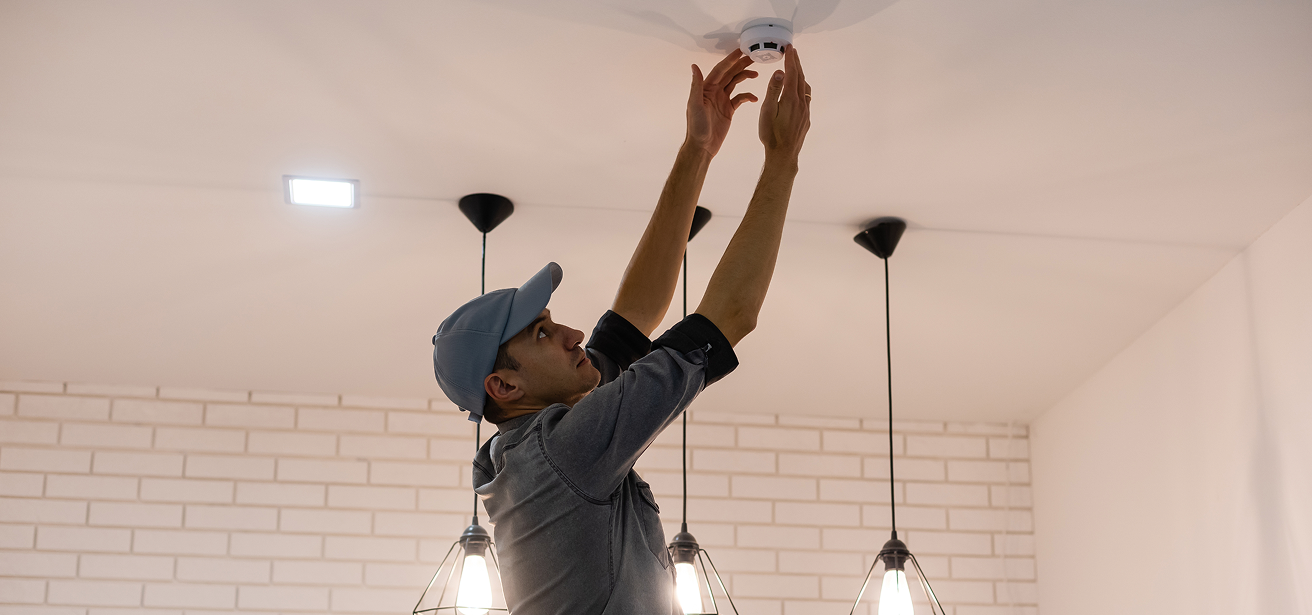
- Are hardwired smoke alarms installed by a licensed electrician to the main power supply with secondary power source
- Are installed in every bedroom.
- Are in hallways connecting bedrooms to the rest of the domestic dwelling.
- Are installed on every level of the home.
- If no bedrooms are on a level, at least one smoke alarm must be installed in the most likely path of travel to exit the dwelling on each storey.
These requirements apply at the time of settlement, meaning sellers must ensure properties meet Queensland's smoke alarm compliance before ownership transfers.
Seller's obligations for smoke alarm compliance QLD
When selling a property, the seller is responsible for abiding by new smoke alarm laws and smoke alarm maintenance before settlement. This responsibility applies regardless of property age, as even modern homes may require upgrades to meet current legislation. Therefore, to avoid delays, this should be addressed early in the conveyancing and building approval process.
To avoid delays sellers must:
- Ensure smoke alarms compliance before listing the property.
- Disclose the compliance status to the buyer.
- Ensure required smoke alarms are operational and correctly installed
- Ensure outdated or inoperable smoke alarms are replaced
- Lodge a Form 24 with Titles Queensland at settlement, certifying legislation compliance.
As these obligations sit with the seller, arranging a smoke alarm compliance check before listing can provide additional time to upgrade outdated domestic smoke alarms, install smoke alarms where needed, and ensure interconnected photoelectric smoke alarms connect across the property.
Buyer's rights when it comes to smoke alarm compliance
While property owners and sellers are responsible to ensure their existing private homes comply with Queensland smoke alarm laws, buyers also have the right to confirm smoke alarm compliance before settlement. This is an important step in due diligence, particularly when inspecting rental properties or purchasing older properties.
Buyers have the right to:
- Inspect the property before settlement to check smoke alarm compliance.
- Request confirmation of smoke alarm compliance
- Arrange an independent smoke alarm compliance check
- Request upgrades or replacements prior to settlement
- Claim a 0.15% reduction in the purchase price if smoke alarms are non-compliant.
By understanding smoke alarm requirements and smoke alarm legislation, purchasing or renting properties can be made significantly easier. By confirming the presence of compliant smoke alarms early in the purchasing process, it will prevent potential future disputes and ensure the property is safe from day one.
Common reasons properties fail compliance
Many homes fail smoke alarm compliance due to outdated or incorrectly installed alarms. One of the most common issues is outdated alarms. Alarms older than 10 years –– while potentially still operable –– must be replaced to ensure up-to-date safety assurance. Internal sensory degradation often makes them unreliable and prone to failure when needed most. This can often lead to a false sense of security, as they pass manual tests but fail to detect smoke in a real emergency. Ionisation alarms are also frequently found in older homes and do not meet Queensland's smoke alarm requirements.
Renovated properties may also require additional alarms due to layout changes. The absence of alarms in hallways, missing bedroom alarms, or systems that lack interconnectivity will impact the safety compliance of the house.
Why interconnected photoelectric smoke alarms are required
Interconnection is one of the biggest changes in QLD smoke alarm compliance laws. All alarms must be connected so that when one activates, every alarm in the property sounds. This enforcement significantly improves safety for all residents, in the event of a fire in distant rooms or hallways. Without interconnected smoke alarms, occupants may not hear the alarm in sufficient time increasing the risk of severe injury. Therefore, the presence of interconnected photoelectric smoke alarms in existing dwellings will be required by 1 January 2027.
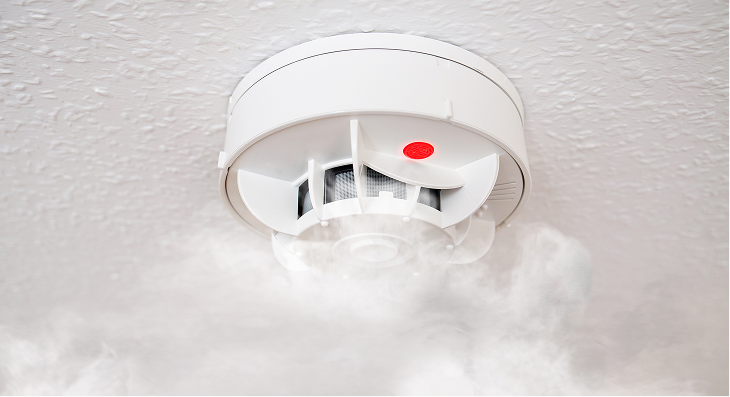
Photoelectric smoke alarms are also required by the Queensland Fire Department as they provide safer and faster smoke alarm coverage for home environments. They use light beams and sensors to detect large smoke particles from smouldering fires –– the most common type of house fire –– while being less prone to false alarms from cooking or steam compared to other smoke alarms.
Why smoke alarm compliance matters
Beyond legal requirements, compliant smoke alarms are vital for safety. They provide early warning in the event of a fire, helping reduce risk of injury and ensure occupants are evacuated quickly.
Ensuring compliance also protects buyers and sellers from future liability, as compliant systems mitigate the chance of disputes after settlement. For sellers, this provides peace of mind. For buyers, it ensures the home is safe as you step through the door.
Arranging a smoke alarm compliance check before settlement is one of the simplest ways to enter or exit a home with confidence.
How Sparks Power can assist
At Sparks Power, we provide professional smoke alarm compliance services across Brisbane and the surrounding areas. Our licensed electricians complete thorough smoke alarm inspections and install compliant alarms where required.
We can assess your property, upgrade outdated alarms, test and certify alarm operation, and confirm placements meet smoke alarm legislation. Once complete, we can also submit required compliance certificates to Titles Queensland .
Contact us to ensure your property meets all smoke alarm regulations and avoid potential complications during the sale process.

Trusted by homeowners, property managers & builders across SEQ
10+
500+
99%
Our reputation is built on quality work, premium workmanship, and customer satisfaction.